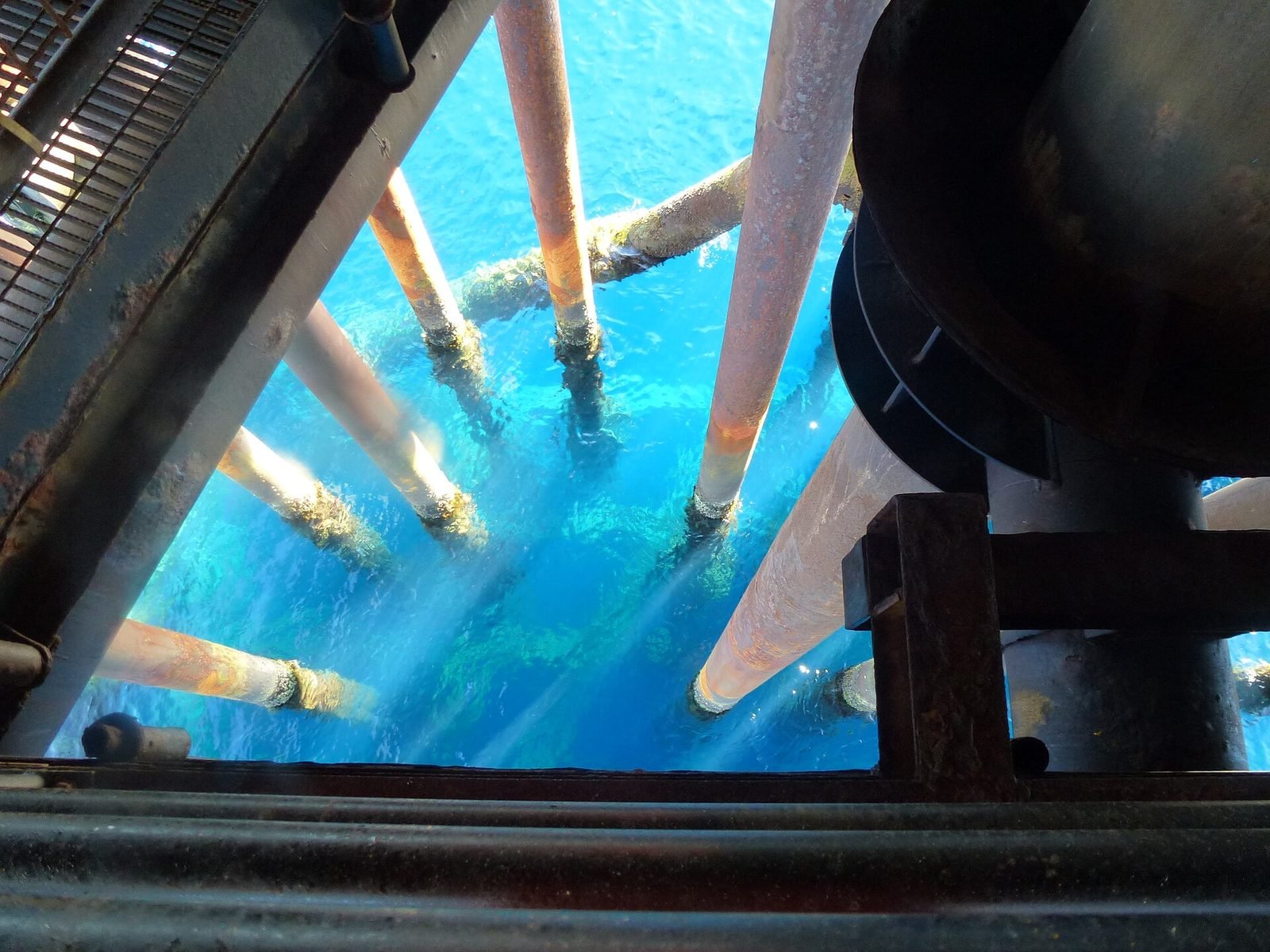
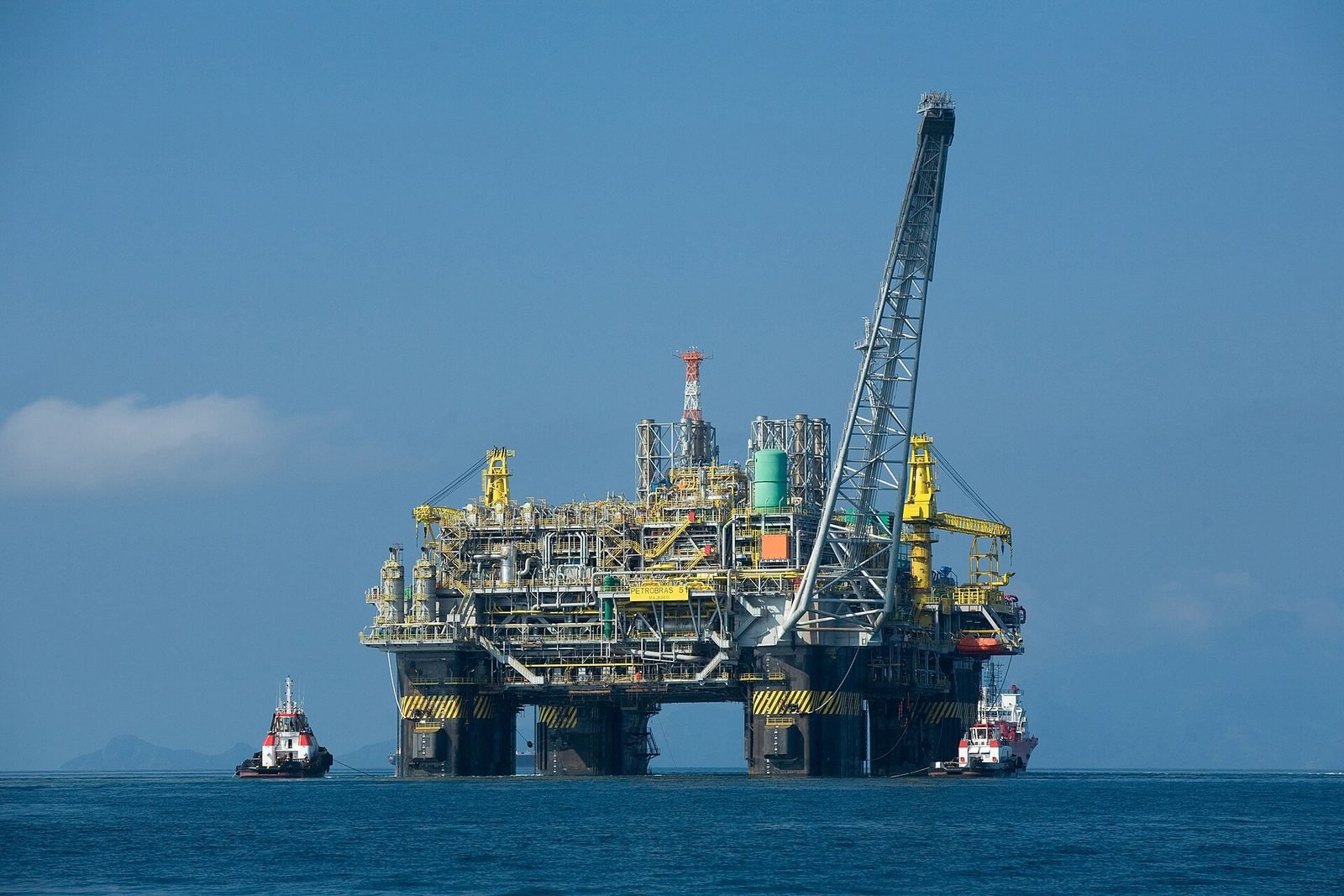
Models anticipate machinery failures before they occur, while drones and computer vision keep continuous watch over rigs, pipelines and offshore platforms.
- Early-warning on compressors and pumps
- Continuous surveillance without extra crews
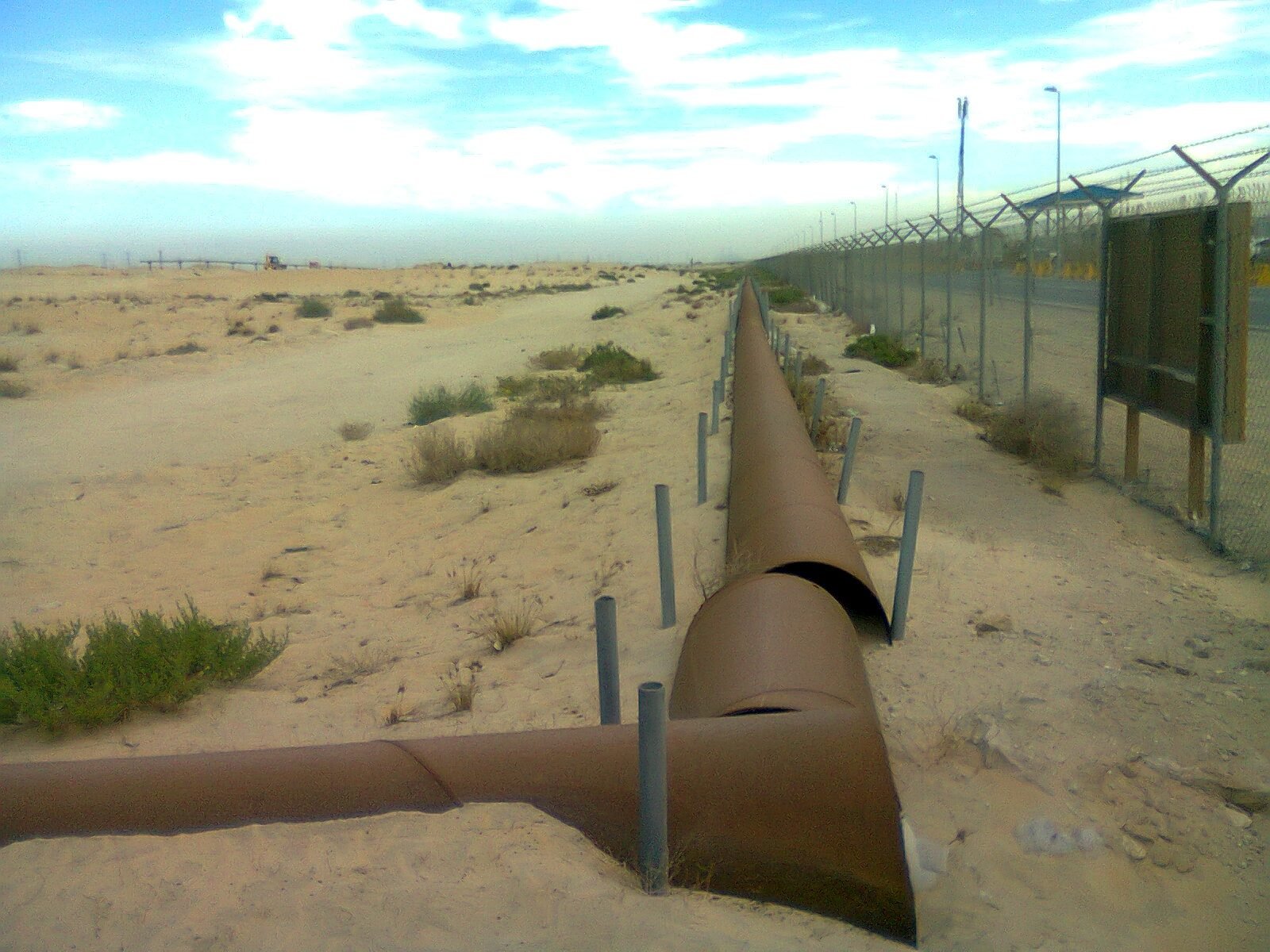
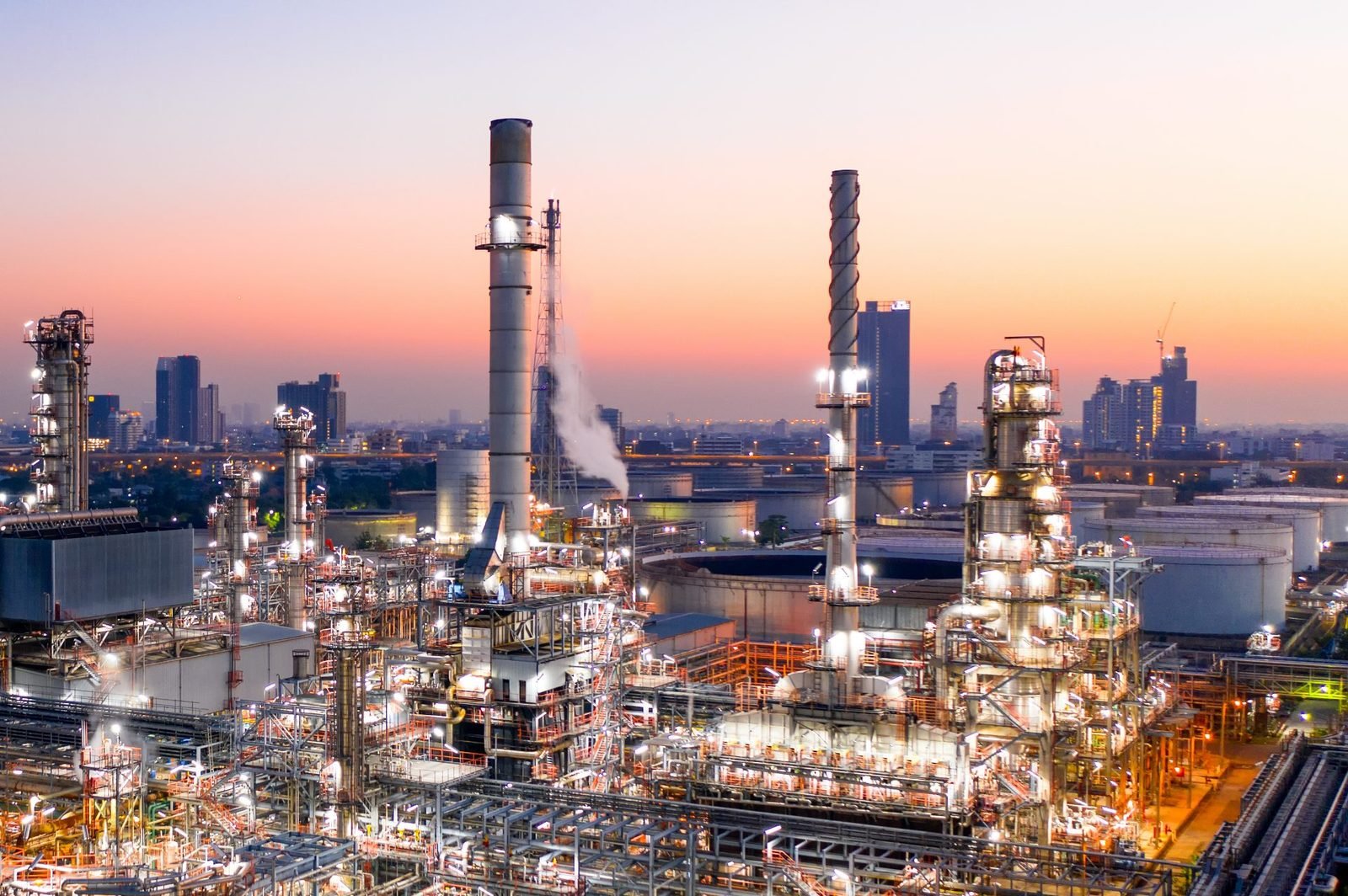
Upstream, midstream and processing plants — where most of our delivered systems run. Virtual metering, advanced control, alarm-to-action, P&ID automation and the integration bench behind all of it.
Oil and gas operates in complex, high-risk environments where small inefficiencies translate into millions in losses. From exploration and drilling to refining and distribution, operators must hold safety, cut downtime and lift efficiency at the same time.
SMHcoders turns these operations into autonomous, data-driven and safer environments — built on the historian, lab and drawing data you already hold.
Key quality and composition values arrive hours late from the lab.
Compressor and pump trips cost production and deadline penalties.
Rising intensity targets with limited continuous visibility.
Years of historian and drawing data that nobody can query.
Real-time quality, composition and emissions estimates on existing instruments.
WD·02Predictive maintenanceEarly-warning health models for rotating equipment.
WD·03MPCMultivariable control for distillation and gas processing units.
WD·04Drawing intelligenceP&IDs digitalised to DEXPI, searchable and chat-ready.
From predictive insight to autonomous monitoring — the use cases oil and gas operators deploy with us.

Models anticipate machinery failures before they occur, while drones and computer vision keep continuous watch over rigs, pipelines and offshore platforms.

Seismic and geological data analysed for drilling accuracy and speed; real-time hazard detection and early-warning alerts minimise risk to workers.

Chatbots and digital assistants for field reporting and procedures, scaling up to full AI integration across wells, facilities and logistics.

Soft sensors feed advanced control on the units that set throughput and quality, so the plant runs closer to its limits every shift.
The same plant, the same people — the difference is what the data does between the lab, the control room and the work order.
Every solution in our Oil & Gas brochure. Where one runs on a product or solution we deliver, it links there — the rest are scoped as engagements on the same delivery stack.
“From the column to the compressor deck — we speak historian, P&ID and Modbus before we speak model.”
In your industry · SMHcoders
With one measurable use case — most often a soft sensor or an equipment-health model on a unit that matters. Small scope, visible payoff, then scale.
Yes. Scoping and commissioning happen at your site in the Gulf region; model development runs in-house with our own engineering team.
Most engagements start with 6–24 months of historian, lab or document data. We audit coverage in the first week and tell you plainly if it is not enough — before you commit.
On your infrastructure — plant-side servers, your Azure or AWS tenancy, or an air-gapped network. Data never leaves your boundary, and nothing is used to train third-party models.
Yes — 45 minutes with an engineer, a feasibility read and suggested next steps. No obligation.