
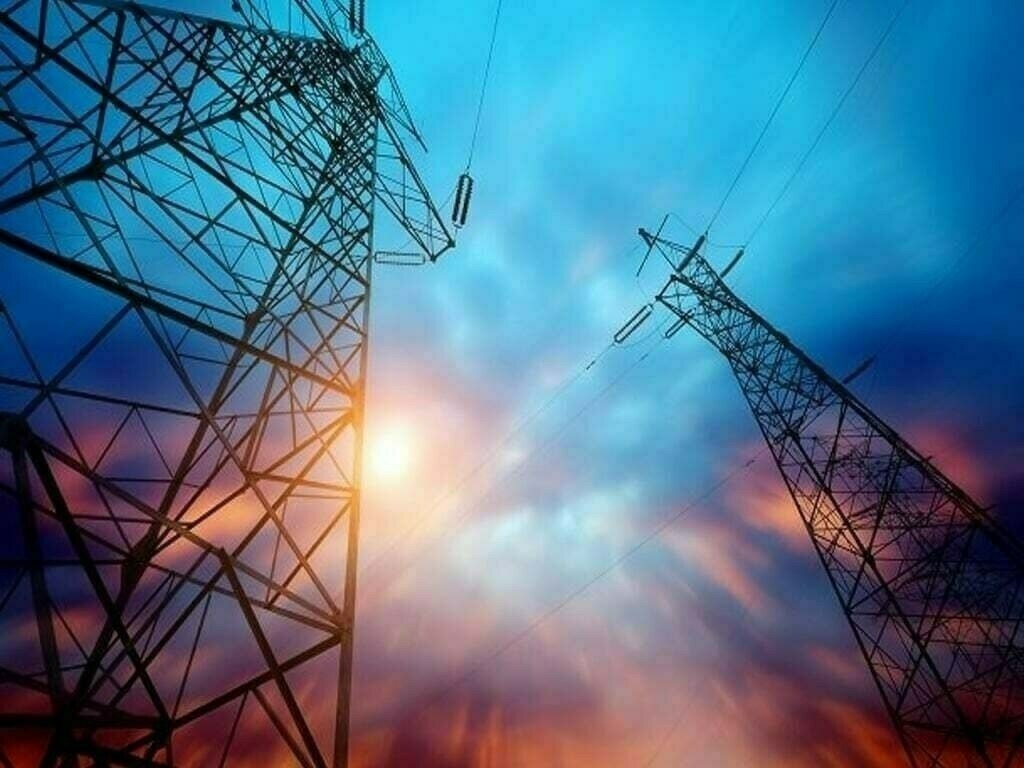
PW-02·U1Smart grid management
Demand forecasting that dynamically adjusts energy flow across the network.
- Forecasts with confidence bands
- Flow adjusted ahead of demand
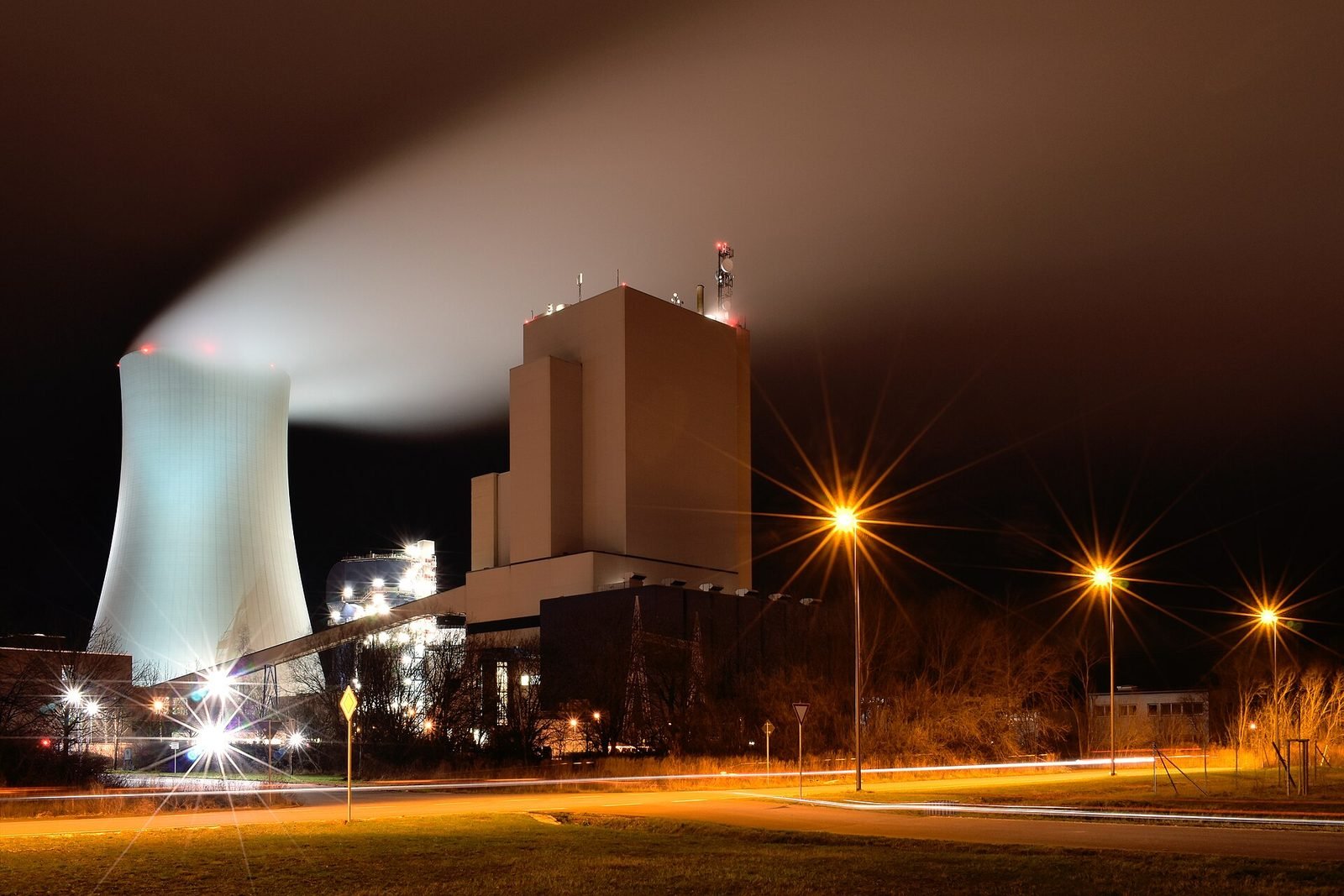
Thermal plants, grids and storage: turbine health, fuel and emissions, dispatch and peak load — with condition-based maintenance that raises its own SAP notification.
The power sector is under pressure to deliver reliable, efficient and sustainable energy. Integrating renewables with traditional grids, managing fluctuating demand and preventing outages all call for next-generation tools.
SMHcoders provides AI-driven automation that creates smart, autonomous power operations — resilient, efficient and ready for cleaner sources.
Efficiency losses accumulate unnoticed between performance tests.
Hardware CEMS is costly to run and maintain.
Reliability pressure on units past design life.
Cycling duty wears equipment designed for baseload.
Real-time insight, predictive capability and autonomous control for energy operations.
Demand forecasting that dynamically adjusts energy flow across the network.
Automated fault detection that minimises outages and restores service faster.
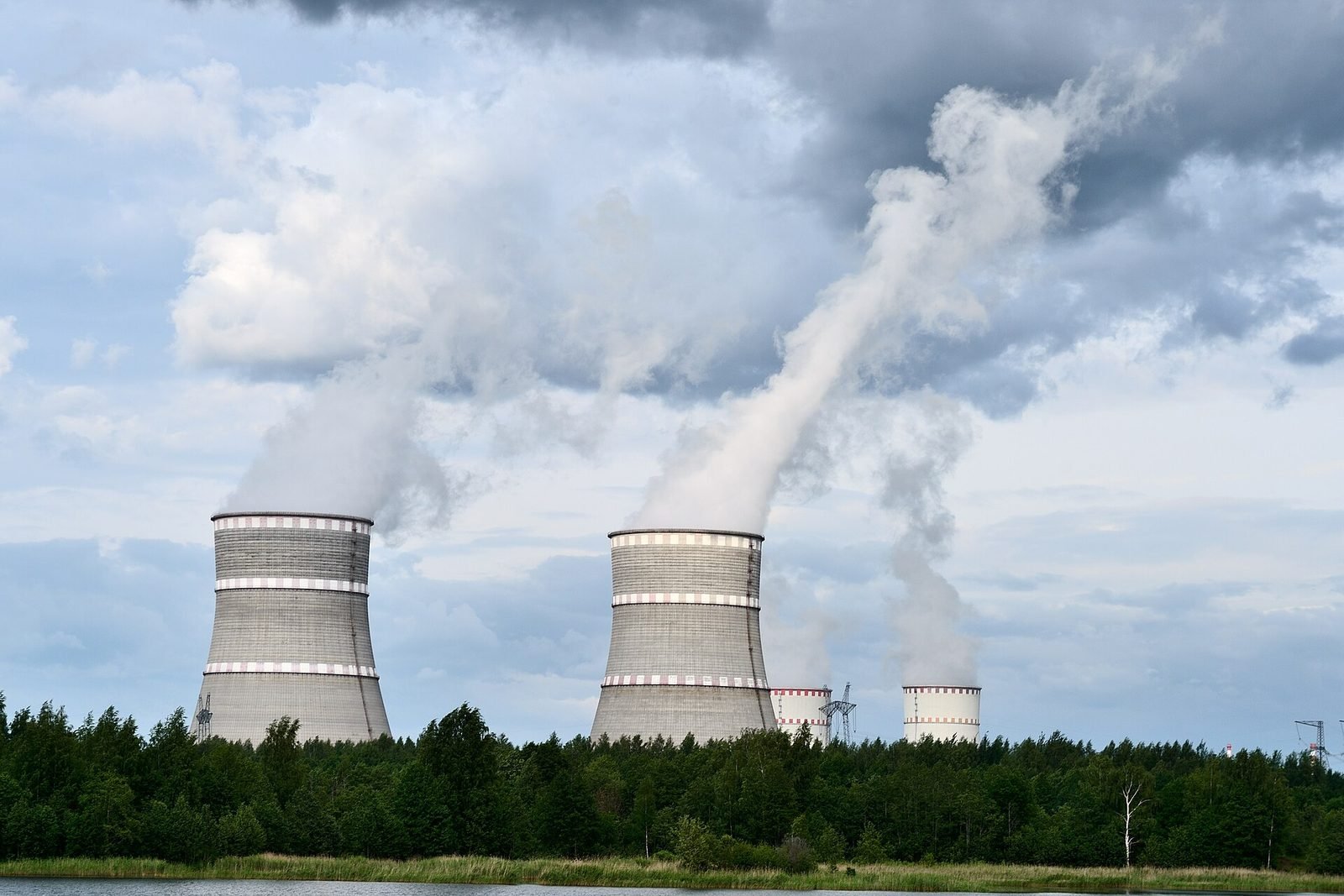
Bidding strategies improved with AI, and ML models that balance renewable and conventional sources.

One live view of plant performance — heat rate, emissions, availability — for operators and management.
The same plant, the same people — the difference is what the data does between the lab, the control room and the work order.
Every solution in our Power brochure. Where one runs on a product or solution we deliver, it links there — the rest are scoped as engagements on the same delivery stack.
“A plant that knows its heat rate every minute does not wait a year to find the losses.”
In your industry · SMHcoders
With one measurable use case — most often a soft sensor or an equipment-health model on a unit that matters. Small scope, visible payoff, then scale.
Yes. Scoping and commissioning happen at your site in the Gulf region; model development runs in-house with our own engineering team.
Most engagements start with 6–24 months of historian, lab or document data. We audit coverage in the first week and tell you plainly if it is not enough — before you commit.
On your infrastructure — plant-side servers, your Azure or AWS tenancy, or an air-gapped network. Data never leaves your boundary, and nothing is used to train third-party models.
Yes — 45 minutes with an engineer, a feasibility read and suggested next steps. No obligation.