
Plan the intervention weeks before the trip.
AI models that detect equipment degradation from vibration, temperature and process data — before it becomes unplanned downtime.
How Predictive Maintenance works for your plant.
Models trained on vibration, temperature and process data learn each machine's healthy signature and flag degradation as it develops — with enough lead time to plan the intervention, order parts and schedule the work, instead of reacting to a trip.
A bearing fails slowly. Then all at once.
A compressor's vibration spectrum and health index over months. Speed time up: the bearing-defect peak grows long before overall vibration alarms. The model crosses its alert threshold weeks ahead, estimates remaining life, and drafts the work order.
- Defect frequency grows in the spectrum first
- Health index with remaining-life estimate
- Alert becomes a planned work order in AssetOps
Sensor coverage and work-order history reviewed.
Healthy signature learned per asset.
Deviations flagged with lead-time estimates.
Alerts routed to CMMS as planned work.
Reactive, preventive, predictive.
| Reactive | Preventive | Predictive | |
|---|---|---|---|
| Trigger | Failure | Calendar or run-hours | Measured condition and predicted trend |
| Downtime | Unplanned, longest | Planned, often unnecessary | Planned, only when needed |
| Spares and labour | Emergency cost | Over-servicing | Right-sized |
| Data needed | None | Manufacturer intervals | Historian, vibration, CMMS history |


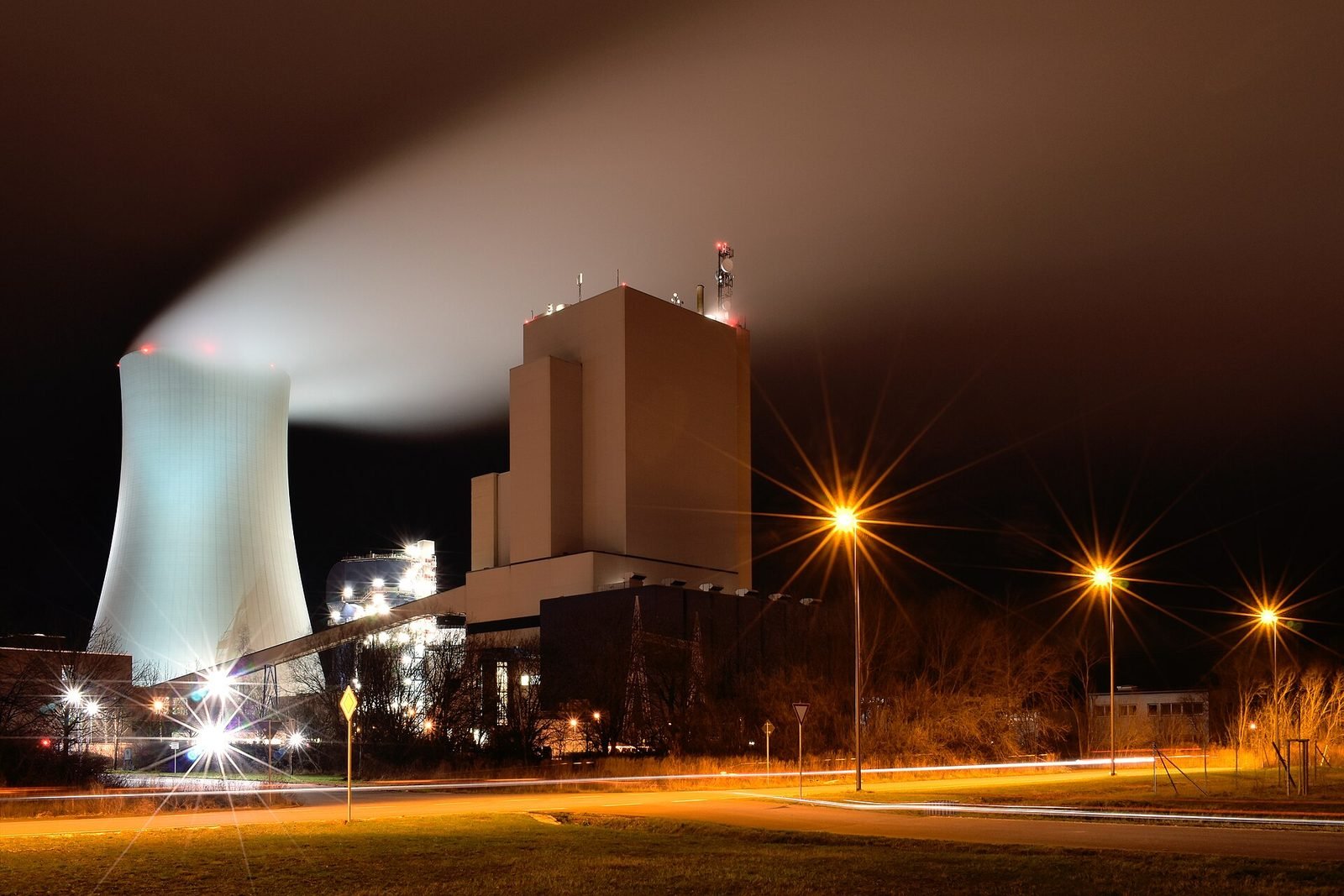

“The cheapest intervention is the one you planned three weeks before the trip.”
From the field · SMHcoders
Do we need new vibration sensors?
Often not. We start from the vibration, temperature and process data you already log; the audit tells you if a critical asset genuinely needs more instrumentation.
What data do we need to start?
Most engagements start with 6–24 months of historian, lab or document data. We audit coverage in the first week and tell you plainly if it is not enough — before you commit.
How long until we see results?
A proof of concept on your historical data typically lands in 4–8 weeks. Production deployment follows once the KPI target is met and your team signs off.
Where does it run, and who sees our data?
On your infrastructure — plant-side servers, your Azure or AWS tenancy, or an air-gapped network. Data never leaves your boundary, and nothing is used to train third-party models.
Who owns the result?
You do. Handover includes source code, documentation, training sessions and a retraining plan.