
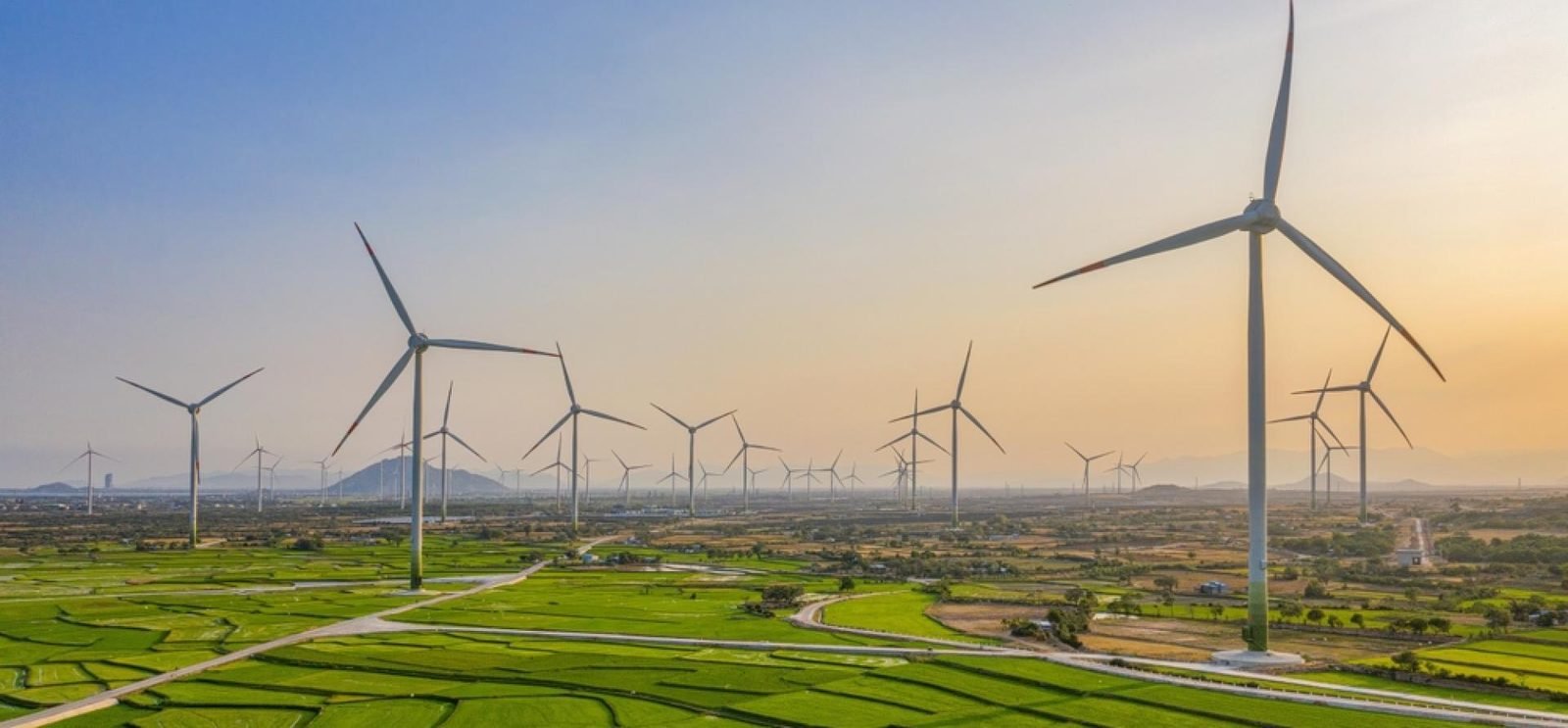
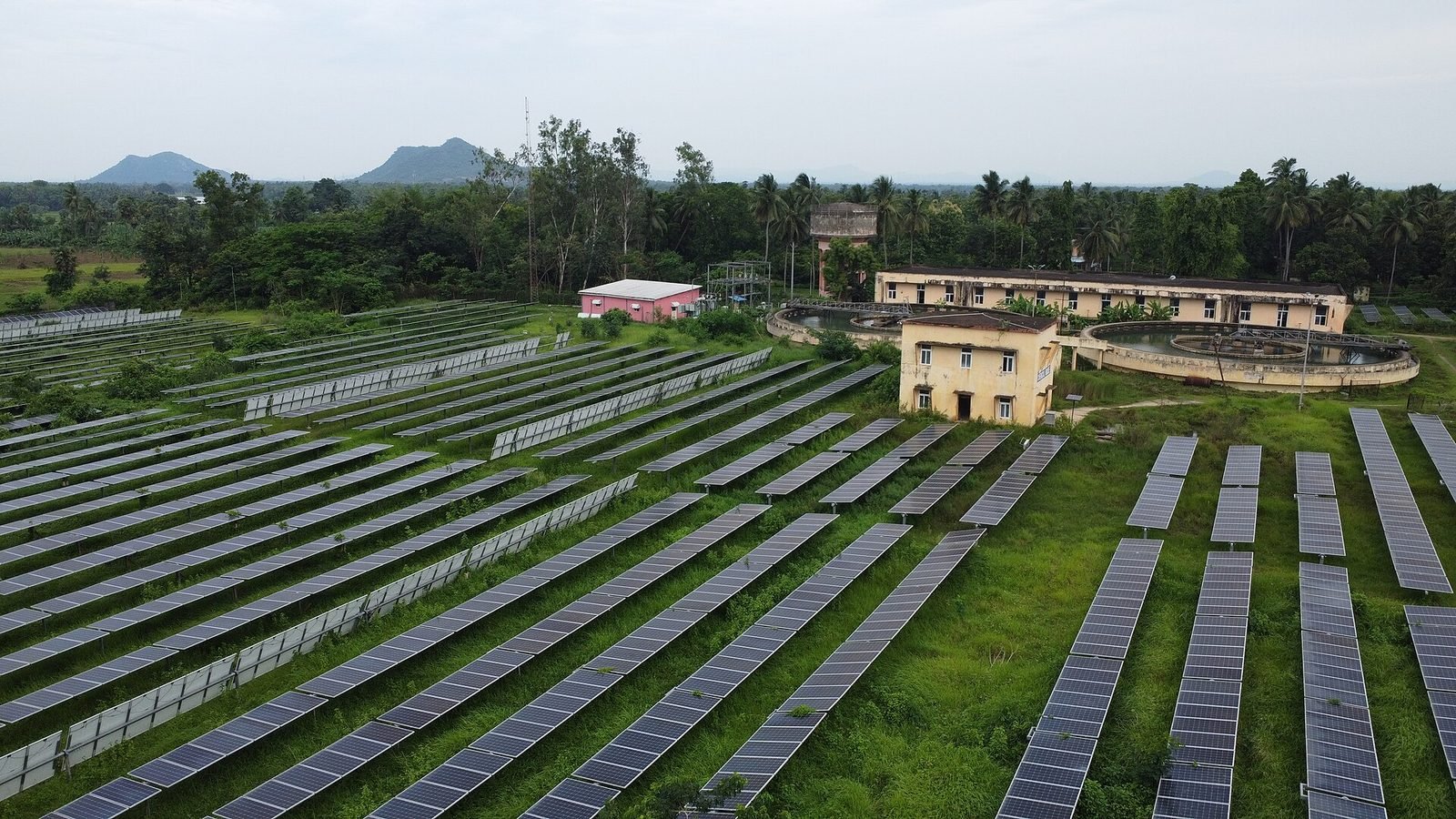
Accurate prediction of renewable output from weather and grid data, tailored to solar and wind.
- Site and portfolio forecasts
- Confidence quantified for trading
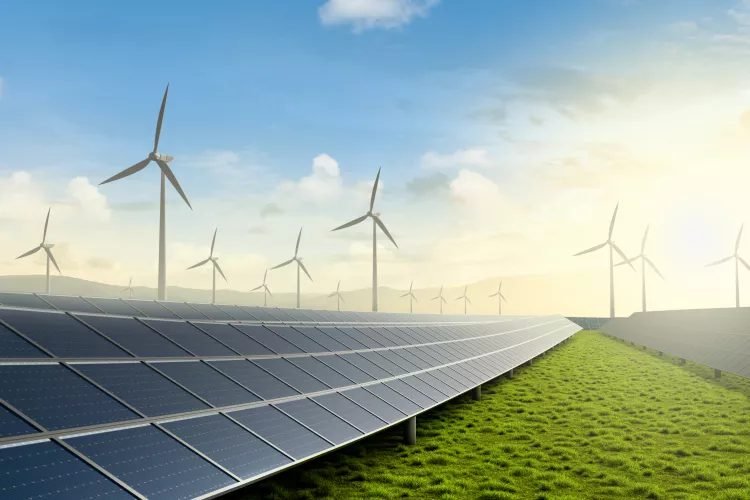
Wind, solar and storage: generation forecasting, curtailment avoidance, asset health and the lifecycle reporting investors now ask for.
The future of energy is renewable, but solar, wind and other sources face intermittency, forecasting error and grid-integration challenges that hold the transition back.
SMHcoders gives the renewable sector AI-driven automation that makes clean energy reliable, predictable and profitable.
Variable generation complicates dispatch and trading.
Soiling, degradation and misalignment erode output quietly.
Many sites, small teams, long travel distances.
Grid codes and PPAs demand clean, timely data.
Site and portfolio forecasts with quantified confidence.
WD·02Underperformance detectionSoiling and degradation flagged against expected output.
WD·03Asset health modelsTurbine and inverter faults predicted from SCADA data.
WD·04Portfolio dashboardsOne live view across every site.
AI tools that turn intermittency and forecasting error into efficiency, reliability and profit.

Accurate prediction of renewable output from weather and grid data, tailored to solar and wind.

AI decides the best time to store and release energy from batteries and other storage.

Supply matched to demand in real time to reduce wasted energy, with renewables integrated smoothly into traditional grids.
The same plant, the same people — the difference is what the data does between the lab, the control room and the work order.
Every solution in our Renewables brochure. Where one runs on a product or solution we deliver, it links there — the rest are scoped as engagements on the same delivery stack.
“Every silent percent of soiling and degradation is recoverable MWh. Models find it first.”
In your industry · SMHcoders
With one measurable use case — most often a soft sensor or an equipment-health model on a unit that matters. Small scope, visible payoff, then scale.
Yes. Scoping and commissioning happen at your site in the Gulf region; model development runs in-house with our own engineering team.
Most engagements start with 6–24 months of historian, lab or document data. We audit coverage in the first week and tell you plainly if it is not enough — before you commit.
On your infrastructure — plant-side servers, your Azure or AWS tenancy, or an air-gapped network. Data never leaves your boundary, and nothing is used to train third-party models.
Yes — 45 minutes with an engineer, a feasibility read and suggested next steps. No obligation.